





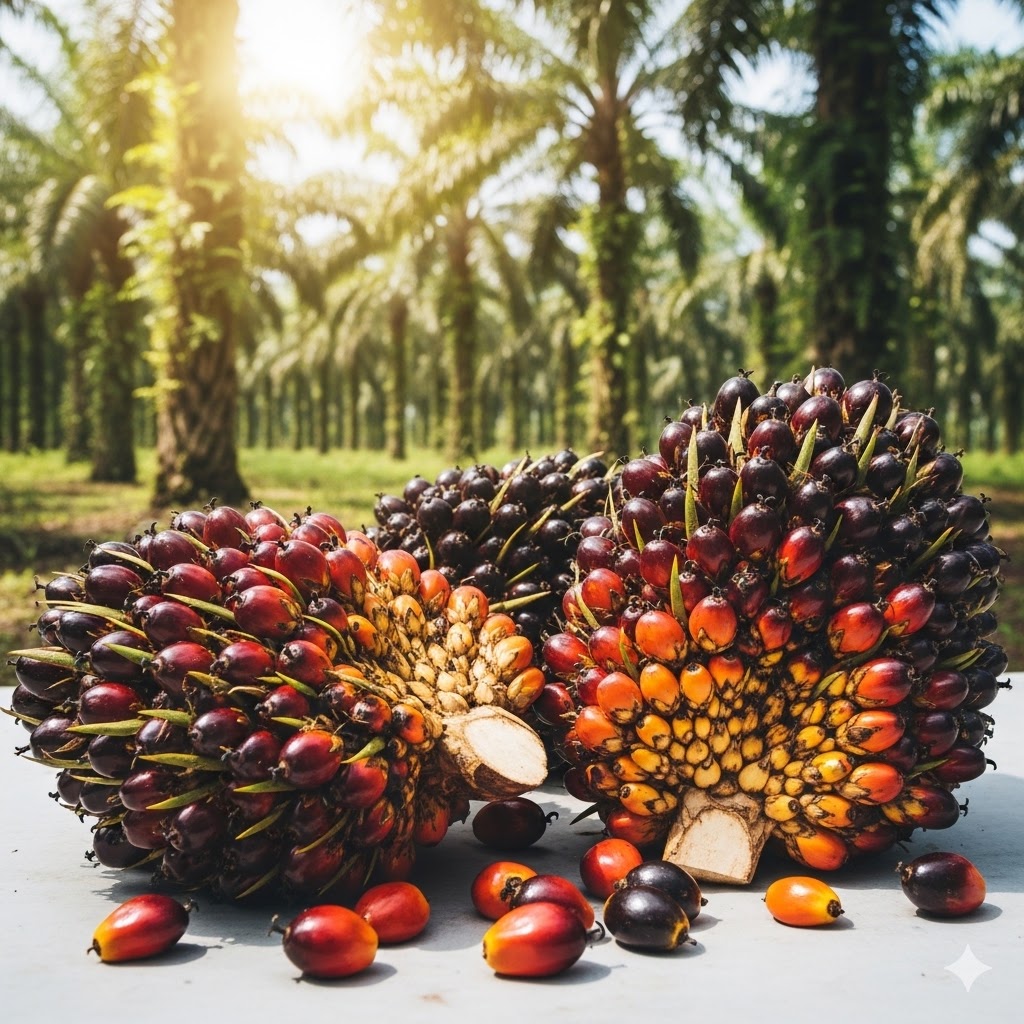
The Golden Crop of West Africa
For decades, oil palm has been the quiet engine behind many of the products we use daily. But as global markets shift and the call for climate consciousness grows louder, Nigeria’s agricultural sector stands at a critical crossroads. The question is no longer just how much we can produce, but how we produce it.
To truly scale oil palm and secure long-term food security, we must transition from traditional, scattered farming methods to a highly structured, climate-resilient agribusiness model.
The Two Pillars of Modern Oil Palm Growth
To unlock the true multi-billion dollar potential of this crop in Nigeria, we must focus on two non-negotiable pillars:
1. Bridging the Yield Gap with Climate-Resilient Farming
Right now, many smallholder farmers are using aging wild groves that produce low yields. To compete on a global scale, we need to introduce high-yielding, drought-resistant seedlings.
By combining these with modern irrigation and precision farming techniques, we can double or even triple output without needing to clear more land. This protects our natural forests while drastically increasing profitability for local communities.
2. Localized Processing and Value Addition
The real wealth of oil palm doesn’t lie in harvesting the fresh fruit bunches—it lies in the processing. Exporting raw materials leaves too much value on the table.
By investing in localized automated processing mills, we can create high-quality Technical Palm Oil (TPO) and Special Spoil Oil (SPO) right here in Nigeria. This not only creates thousands of rural jobs but also provides consistent raw materials for our local manufacturing and food processing industries.
Moving Forward: A Call for Strategic Investment
Scaling the oil palm industry isn’t a task for farmers alone. It requires a synergy of private equity, government policy, and dedicated leadership. We need structured capital that understands the agricultural timeline and is willing to invest in long-term infrastructure.
The future of Nigeria’s agribusiness isn’t just about feeding the nation; it’s about positioning Nigeria as a global powerhouse for sustainable exports. By making the right investments in oil palm today, we are planting the seeds for a wealthier, more resilient tomorrow.
1 Comment
Hi, this is a comment.
To get started with moderating, editing, and deleting comments, please visit the Comments screen in the dashboard.
Commenter avatars come from Gravatar.